

Why We Look At Your X-Rays And Posture Before We Adjust
Why Dr. Currington looks at your X-rays and posture before adjusting, what they show, and how Chiropractic Biophysics builds a plan from them.
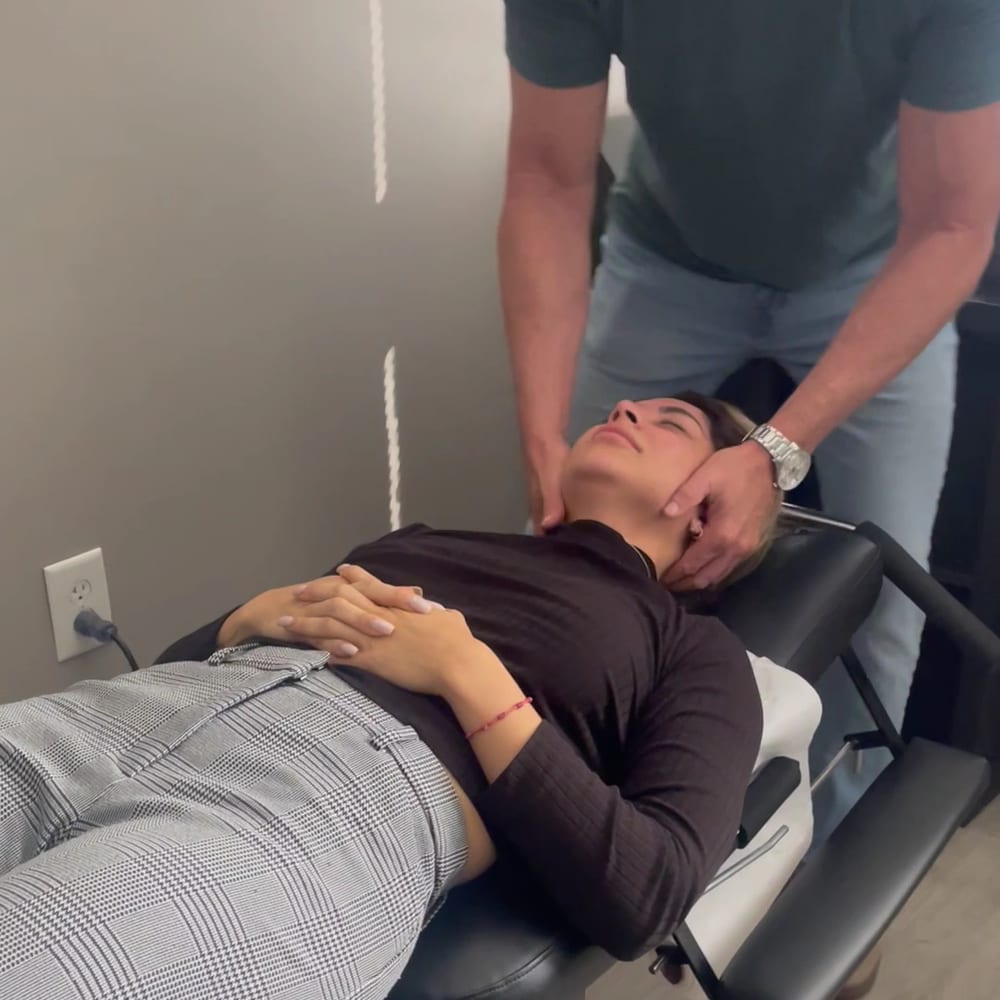
In our video, the adjusting doesn't start right away. First we look: at the X-rays, at posture, at the shape of the spine. Here's why that step comes first and what we're looking for.
Your First Visit Starts With Getting to Know You
Your first visit is about getting to know each other. After a little paperwork, Dr. Currington goes over your history, your current condition and your goals, performs a physical exam and takes any X-rays needed. Then you build a plan together. There's more on what to expect on our new patients page.
Do You Need X-Rays?
Only when they're needed to find the cause of your pain. Not everyone does. For corrective care like Chiropractic Biophysics (CBP), X-rays show the shape of your spine and how it changes over time.
What X-Rays Show
X-rays show the real shape of your spine. A healthy spine has natural curves, including forward curves in the neck and the lower back. Some of the things an X-ray can show:
- A neck that has straightened out and lost its forward curve
- A lower back that has lost its natural forward curve
- Side curves that bend the spine away from straight, like those seen in scoliosis
- Misalignment after a fall, a sport or a car accident
What a Posture Analysis Adds
X-rays show the bones. A posture analysis shows how you actually hold yourself. Postural imbalances can build up in the body over time, and a common one is forward head posture: a head that sits ahead of the shoulders and strains the neck.
Together, X-ray analysis, postural analysis and other methods show the shape of your spine and how to restore it toward its normal position.
Building the Plan
Based on your X-rays and posture, Dr. Currington builds a plan that fits the shape of your spine and the goals you share with him.
With CBP, traction is paired with adjustments, specific exercises and focused stretching, each one chosen for the unique shape of your spine. Over the length of the plan, traction and exercise help guide the curves of your neck and lower back toward normal.
Seeing the Change
CBP is designed to make objective changes you can see. Later in your plan, a second set of X-rays shows how your spine has changed, so you can see your progress for yourself. The goal is longer-lasting relief, and results vary from person to person.
Why Not Just Adjust?
Two people can walk in with the same neck pain and have very different spines. One might have lost the curve in their neck. Another might have a side curve, or a misalignment from an old injury. Dr. Currington believes treating the cause, beyond the symptom, is the best path to results that last. Looking first means the plan follows what's actually going on.
Get Your Spine Looked At
If pain keeps coming back, book an exam and we'll start by looking. You can read more about Chiropractic Biophysics, or see answers to common questions on our FAQ page. Dallas Lifestyle Management Clinic is at 4228 N Central Expy, Suite 104, Dallas, TX 75206. Call (214) 520-1006.

Meet Your Chiropractor,
Dr. Mark Currington
Over 20 years in private practice in Dallas, with a special interest in Chiropractic Biophysics and spinal decompression.
Keep Reading
More From the Clinic
More plain answers to the questions patients ask most.
- The Little Balloon, ExplainedMark identifies the procedure as nasal cranial release and describes the small balloon and his training experience.Read Article
- What To Tell Dr. Currington At Your First VisitYour first visit starts with a conversation. Here's what's worth thinking about beforehand so you get the most out of it.Read Article
- Changing A Stomach-Sleeping HabitMark gives a short answer about noticing a repeated sleeping habit and working on the change gradually.Read Article
Get a Free Consultation
With Dr. Currington
He will look at what is causing your pain and map out a plan. Leave your details and the clinic will call you.
The clinic calls back to set a time, usually within one business day.
Visit the Clinic
In Dallas
Find us on North Central Expressway, Suite 104. Call ahead or request a visit and our staff will confirm your time.
- Address
- 4228 N Central Expy Ste 104
Dallas, TX 75206 - Phone
- (214) 520-1006
- Office hours
Monday 9:30 AM to 5:30 PM Tuesday 9:30 AM to 2 PM Wednesday 9:30 AM to 5:30 PM Thursday 9 AM to 5:30 PM Friday Closed Saturday Closed Sunday Closed