

What Sciatica Means and When to Get It Checked
What sciatica feels like, the usual causes, what helps at home and the warning signs that mean you should get checked the same day.
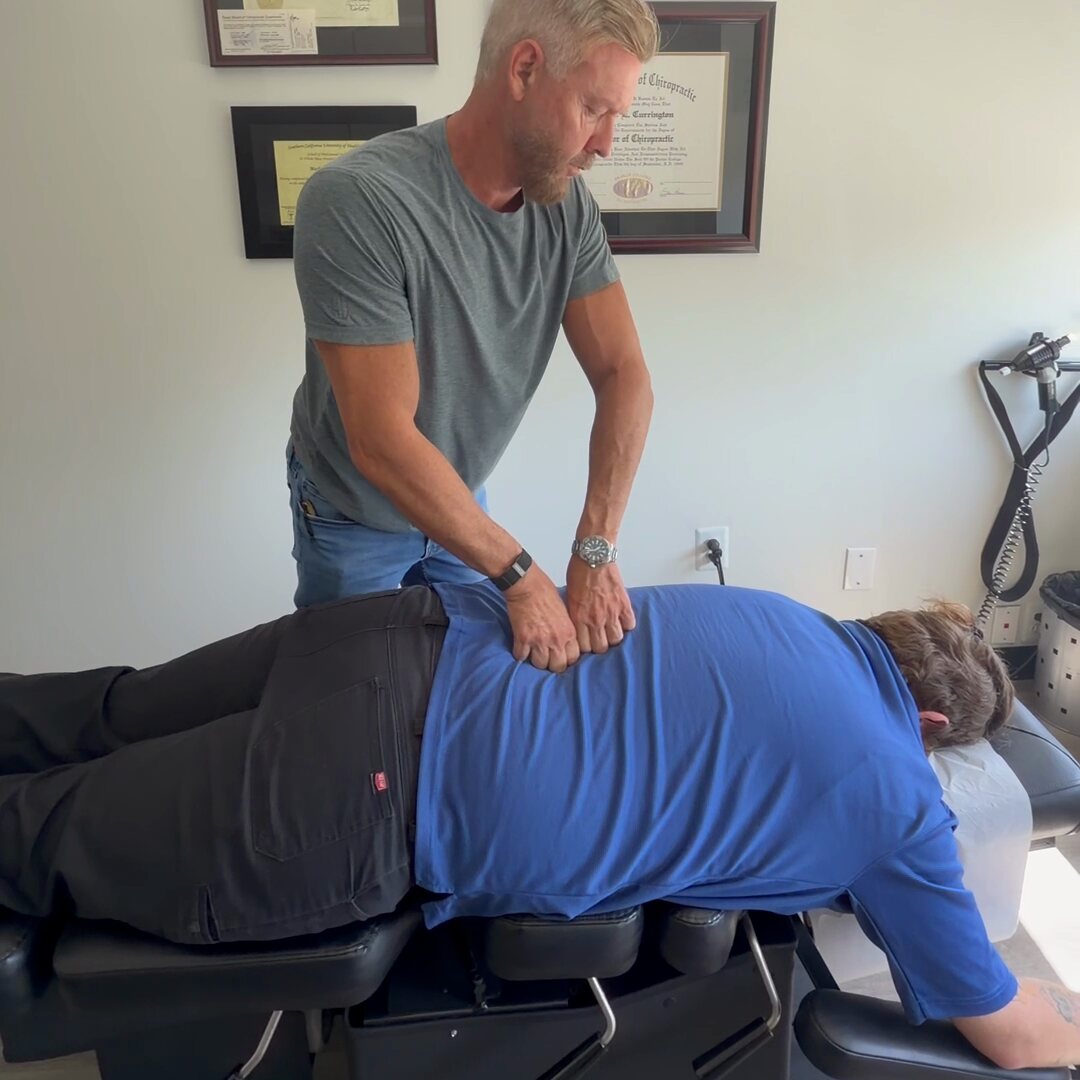
Sciatica names a symptom: pain along the sciatic nerve, which runs from your low back through the buttock and down the back of each leg. What matters is what is irritating that nerve, because that decides what will help.
What It Feels Like
Sciatica usually shows up on one side. The pain can start in the low back or buttock and run down the back of the thigh, sometimes all the way to the foot. People describe it as burning, sharp or electric. It can come with numbness, tingling or a weak leg, and it often flares after sitting a long time or when you cough or sneeze.
Common Causes
- A bulging or herniated disc pressing on the nerve root
- Spinal stenosis, a narrowing of the space around the nerves
- A tight piriformis muscle deep in the buttock
- Wear in the low back that comes with age
- Pregnancy, as posture and weight shift
What Helps at Home
Keep moving. Short, easy walks usually help more than lying down, and bed rest tends to leave you stiffer. Break up long stretches of sitting. Heat or ice can take the edge off. Gentle stretches help as long as they leave the leg pain the same or better; if a stretch sends pain further down the leg, stop.
When to Get It Checked
Book a visit if the pain lasts more than a week or two, keeps getting worse or comes with numbness or weakness.
Some signs need care the same day. Go to an emergency room if you lose control of your bladder or bowels, feel numb in the groin or inner thighs, or your leg suddenly turns weak.
How We Approach It
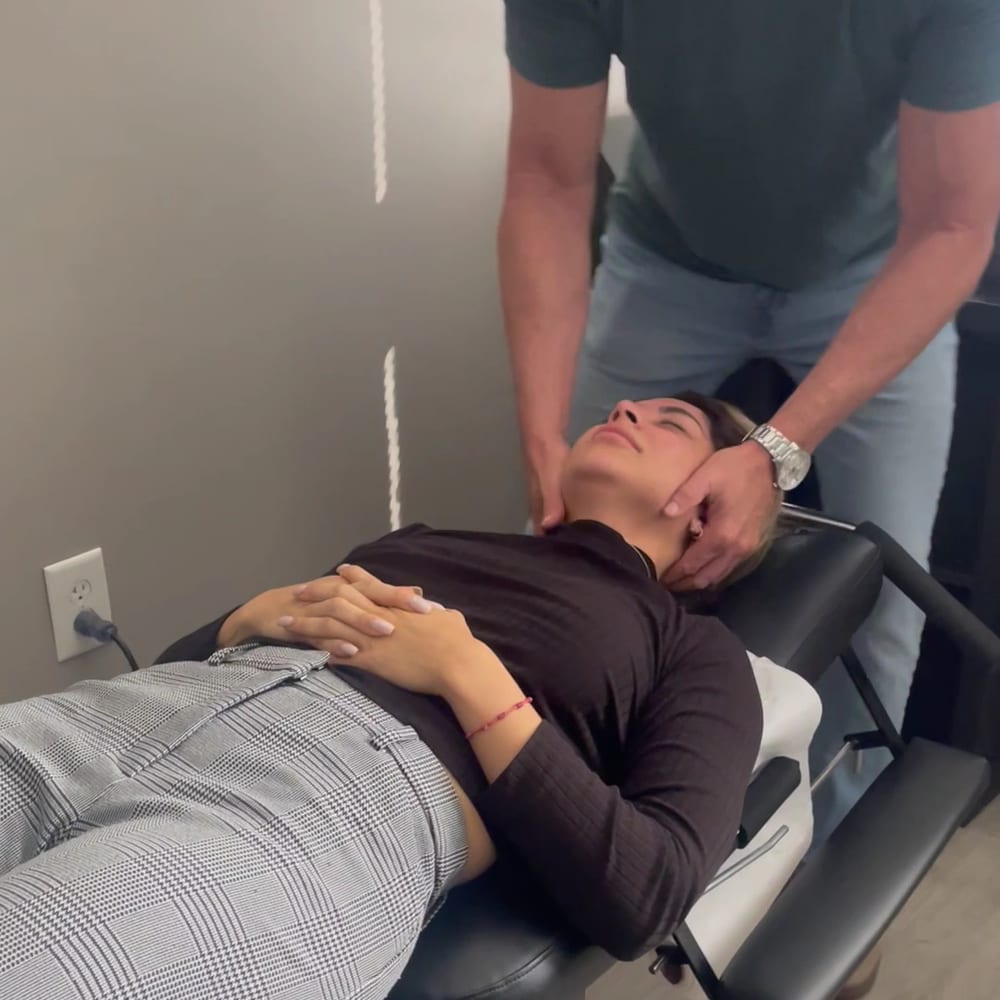
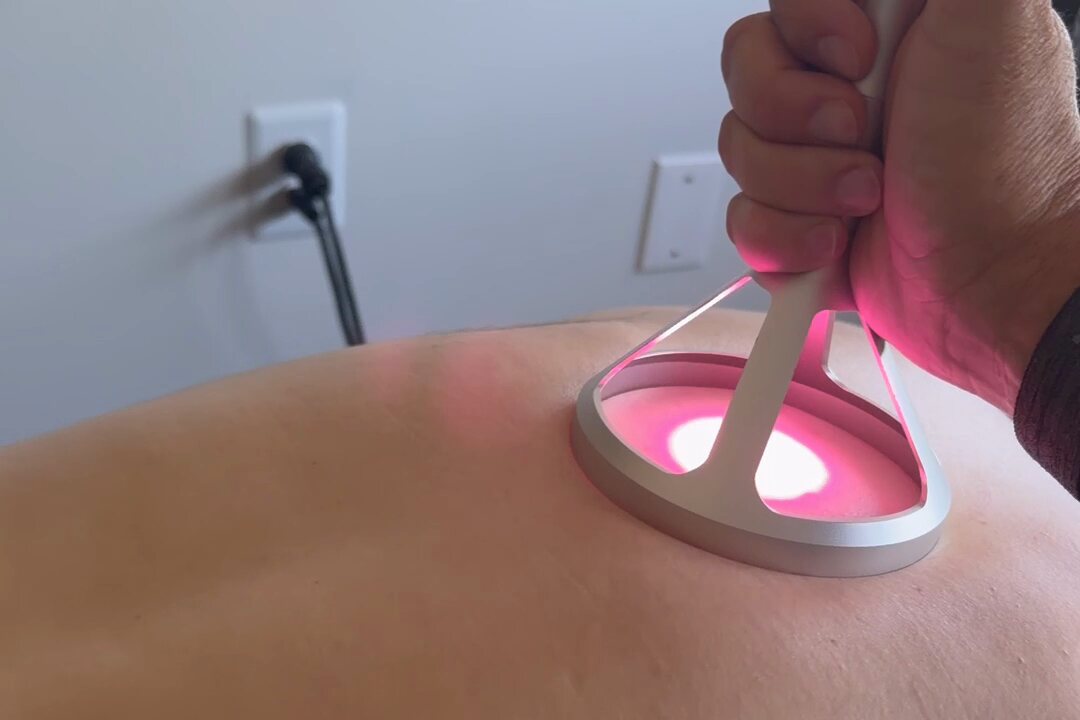
The first visit is an exam, plus X-rays if you need them, to find what is irritating the nerve. From there the plan might include chiropractic adjustments, spinal decompression when a disc is the cause and rehab exercises that take load off the nerve, along with changes to how you sit and lift. When conservative care needs more help, the clinic also offers trigger point, epidural and joint injections.
If sciatica is keeping you from sleeping, sitting or working, book an exam and we will find where it is coming from.

Meet Your Chiropractor,
Dr. Mark Currington
Over 20 years in private practice in Dallas, with a special interest in Chiropractic Biophysics and spinal decompression.
Keep Reading
More From the Clinic
More plain answers to the questions patients ask most.
- The Phone And Laptop HabitsMark talks through the phone and laptop positions he notices most, including looking down into a lap and using a phone in bed.Read Article
- Meet Dr. Mark Currington, Dallas ChiropractorWhere Dr. Currington comes from, where he trained, how he approaches care and what his patients say about seeing him.Read Article
- What Mark Looks For In A Sleep SetupIn this interview answer, Mark discusses pillow height, neck support and the side- and back-sleeping setups he prefers.Read Article
Get a Free Consultation
With Dr. Currington
He will look at what is causing your pain and map out a plan. Leave your details and the clinic will call you.
The clinic calls back to set a time, usually within one business day.
Visit the Clinic
In Dallas
Find us on North Central Expressway, Suite 104. Call ahead or request a visit and our staff will confirm your time.
- Address
- 4228 N Central Expy Ste 104
Dallas, TX 75206 - Phone
- (214) 520-1006
- Office hours
Monday 9:30 AM to 5:30 PM Tuesday 9:30 AM to 2 PM Wednesday 9:30 AM to 5:30 PM Thursday 9 AM to 5:30 PM Friday Closed Saturday Closed Sunday Closed